
Lawn Care Through the Year: Feeding, Weeds and Moss
A season-by-season lawn care calendar in plain language, covering mowing height, feeding, weeds, moss, aeration and watering.
A good lawn is rarely the result of one big effort. It comes from a handful of simple jobs done at roughly the right time, and from avoiding a few common mistakes, such as cutting too short or feeding in a drought. Most of the advice below is about timing and judgement rather than products.
This is a seasonal calendar written for ordinary family lawns in the UK. It deliberately avoids brand names and doses, because those depend on the product on the label and on your own grass. Treat the months as a guide: a cold, late spring or a dry autumn will shift things by a few weeks, and the lawn itself will tell you what it needs.
Spring: waking the lawn up
As growth picks up in spring, start with a light tidy. Rake off fallen debris and any dead moss, and check for bare patches and compaction after winter. The first cuts should be high and infrequent, taking only the tips off the grass. Dropping straight to a short cut on the first mow shocks the plant and gives moss room to spread.
Spring is also the time for a first feed once the grass is actively growing and the soil is warming. Choose a feed suited to spring, follow the instructions on the packet and apply it evenly, ideally before rain or followed by watering. Overseeding thin areas and repairing bare patches works well when soil is warm and moist.
- Rake out debris and dead moss.
- Raise the mower blades for the first cuts.
- Feed once growth is clearly under way.
- Sow or patch bare areas when soil has warmed.
- Edge the borders for a crisp finish.
Mowing height and frequency
The most useful principle is never to remove more than about a third of the blade length in one cut. Cutting short weakens the grass, exposes soil to weeds and moss, and makes the lawn more vulnerable in dry weather. A moderate height gives deeper roots and a denser sward.
In the growing season mowing weekly is typical, with a lower frequency in cooler or drier spells. In shade or on a worn lawn, leave the grass a little longer. Keep blades sharp, because a dull blade tears rather than cuts and leaves brown, ragged tips. Vary the direction you mow each time to avoid ruts and to help the grass stand upright.
Clippings can be left on the lawn in dry weather if they are short, as they return some nutrients to the soil. In wet weather or when the grass is long, box them off, because heavy clumps smother the grass below and encourage disease.
Summer: watering, drought and wear
In summer the main task is to stop the lawn from suffering. Raise the cutting height in hot weather and mow less often. If you water, do it thoroughly and infrequently, perhaps once a week in a dry spell, so moisture reaches the roots instead of a quick sprinkle that encourages shallow growth. Early morning is better than midday, when much of the water evaporates.
Lawns that turn brown in a dry summer are usually dormant, not dead, and tend to green up again once rain returns. It is sensible to check for any local watering restrictions before using a hosepipe or sprinkler. Avoid feeding in drought, as the grass cannot use the nutrients and can be scorched. Keep heavy use, such as paddling pools and party games, moving around the lawn so no area is flattened for long.
Weeds and how to deal with them
A few daisies and clover are normal in a family lawn. If you want a purer finish, deal with weeds when they are young and actively growing. Dandelions and plantains can be dug out by hand with a daisy grubber or knife. Larger infestations may justify a selective lawn weedkiller used strictly to the label, on a calm day, and not close to when you have just sown seed or laid turf.
The stronger answer is a thick lawn. A dense, well-fed, correctly cut lawn leaves little space for weeds to establish. If the same weeds keep coming back, look for the cause: bare patches, compaction, poor drainage or mowing too short.
Autumn: the most useful season for repair
Autumn is often the most productive time to repair a lawn, because soil is still warm, rain returns and weeds are less competitive. This is the time for scarifying, which means raking out the thatch and moss that has built up, followed by aeration and overseeding. Hollow-tine aeration pulls out small cores and relieves compaction, especially on clay or heavily used lawns. Brushing a sandy top dressing into the holes can help drainage.
Clear fallen leaves regularly, as a wet blanket of leaves starves the grass of light and encourages disease. An autumn feed suited to the season helps roots and winter hardiness, but check the product is designed for autumn use, since feeds meant for spring growth can do harm.
- Scarify to remove thatch and moss.
- Aerate compacted areas.
- Overseed thin patches and top dress if needed.
- Clear leaves little and often.
- Make a final tidy cut before winter, leaving the grass slightly longer.
Moss: the underlying causes
Moss thrives where grass is weak, so a moss killer alone is only a temporary fix. Typical causes are shade, compaction, waterlogging, close mowing, low fertility and thin grass. Treat the moss if you wish, rake it out once dead, then correct the cause: open up light, aerate, improve drainage, raise your cutting height and feed appropriately.
If a lawn is very mossy and the ground is poor, renovation or a fresh start with new turf may be a more reliable route than repeated treatments. A good soil preparation matters more than the grass itself.
It also helps to be realistic about the target. A family lawn that takes football, dogs and garden furniture will never look like a bowling green, and trying to force it with repeated treatments usually makes it patchier. Aim for even, green and dense, and accept some seasonal variation in colour.
Winter: rest, rules and gentle checks
Over winter the lawn mostly needs to be left alone. Stay off frosted grass, which damages the blades and leaves black footprints in spring, and avoid walking on waterlogged ground. Keep leaves off, and do a light trim only if there is a mild spell and the grass is still growing.
Winter is a good time to service the mower, sharpen blades and plan any bigger jobs. If you have drainage problems, low spots or worn areas that need levelling, plan the work for when the ground is workable. Our team can look at these during a free site visit if you would like a second opinion.
Common questions
When should I feed a lawn?
Feed when the grass is actively growing, typically in spring and again in early autumn, using products matched to the season. Avoid feeding in drought or on frozen ground.
How short should I cut my lawn?
Keep it moderate and never remove more than about a third of the blade in one cut. Cutting higher in summer, in shade and on worn lawns helps the grass stay thick and resist moss and weeds.
Why does my lawn keep getting moss?
Moss appears where grass is weak because of shade, compaction, poor drainage, low fertility or close mowing. Removing the moss only helps if you also fix those causes.
Keep reading

When to Lay a New Lawn and How to Look After It Properly
Timing, ground preparation, laying, watering and aftercare for a new turf or seeded lawn, plus how to pick the right type of grass.
Read the guide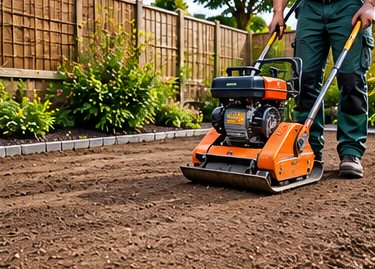
Lawn Levelling, Renovation and Patch Repairs Explained
Why lawns go lumpy, patchy or mossy, and how levelling, scarifying, aeration, overseeding and repairs put them right.
Read the guide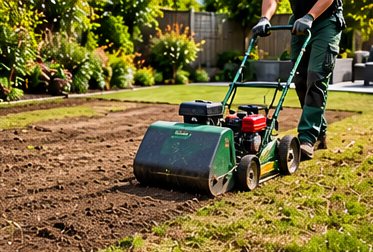
Shade-Tolerant Lawns and What to Do With Shady Gardens
Why grass thins out in shade, what shade mixes can realistically do, and when planting, gravel or artificial grass makes more sense.
Read the guidePlanning turfing & lawns?
Send a few details and we will arrange a free site visit. Photos on WhatsApp help us understand the job before we visit.
Get a free quote
Tell us a little about the job and we will come back to you shortly.