
Lawn Levelling, Renovation and Patch Repairs Explained
Why lawns go lumpy, patchy or mossy, and how levelling, scarifying, aeration, overseeding and repairs put them right.
A tired lawn is not always a lost one. Lumps, dips, moss, bare patches and soggy corners all have causes, and many can be put right without starting again. The trick is to work out why the lawn has gone wrong, because treating the symptoms without the cause usually means the problem returns.
This guide explains lawn renovation and lawn restoration in practical terms: how to level a lawn, what scarifying, aeration, overseeding and top dressing do, how to deal with moss and waterlogging, how to repair bare or patchy areas, and how to decide between renovating and replacing the lawn.
Why lawns go lumpy, patchy, mossy or boggy
Lumpy lawns usually come from settlement over buried waste or old trenches, animal activity, tree roots, or uneven laying in the first place. Bare and patchy areas come from heavy wear, pet urine, shade, drought, compaction, or weed and disease problems. Moss thrives where the lawn is shaded, compacted, short-mown, low in nutrients or poorly drained.
Shade deserves a mention of its own. Grass under trees or beside tall fences gets less light and often less rain, so it thins, grows moss and struggles to recover. Selective pruning to let in more light can help, and a shade-tolerant seed mix is worth using, but in deep shade a planted border or a hard surface may be a more honest answer than more grass.
Waterlogged lawn repairs depend on understanding where the water comes from. Compacted soil, heavy ground, a high water table, runoff from paving, or a blocked drain can all be responsible. Low-lying gardens near rivers or ponds are more prone to this. Fix the cause first, otherwise any new turf or seed will struggle too.
- Lumps and dips: settlement, roots, uneven original laying.
- Bare patches: wear, urine, shade, drought, compaction.
- Moss: shade, damp, compaction, close mowing, low fertility.
- Standing water: compaction, poor drainage, runoff from hard surfaces.
Lawn levelling: top dressing or re-grading
For minor dips of a couple of centimetres or less, lawn top dressing is the usual answer. A mix of sand and topsoil is spread thinly and brushed into the grass, so that the leaves can grow back through it. Several light applications are better than one thick layer, which would smother the grass.
Before you start, mark out the problem areas and check them with a long straight edge or a taut string, because dips are easy to underestimate by eye. Work in dry weather when the soil is crumbly rather than sticky, and allow settling time before heavy use, since freshly filled ground often sinks slightly.
Larger hollows and humps need a different approach. The turf is cut and rolled back, the soil beneath is built up or reduced to the correct level, firmed and raked, and the turf is then laid back or replaced. Lawn regrading takes this further, reshaping the whole surface to correct falls or remove severe undulations. It is more work, but it is the only reliable fix for a really uneven lawn.
Scarifying, dethatching and moss removal
A build-up of dead grass and moss, known as thatch, stops water and air reaching the roots. Lawn scarification, or lawn dethatching, rakes this layer out, by hand on a small lawn or with a powered scarifier on a larger one. The lawn will look rough afterwards, which is normal, and it needs good weather and some follow-up care to recover.
Lawn moss removal is more successful when the cause is also addressed. Moss killers can clear the surface, but moss returns if drainage, shade or compaction are not improved. Scarifying in early autumn or spring, when grass is growing strongly, gives the grass the strongest chance of recovery, and it is usually followed by overseeding to fill gaps.
Aeration and compaction
Compacted soil is one of the most common reasons for thin grass and puddling. Lawn aeration makes holes in the surface so that air, water and nutrients can reach the roots. Spiking helps lightly, but hollow-tine aeration, which removes small cores of soil, is more effective on heavily compacted ground.
After aeration, a sandy top dressing brushed into the holes can improve drainage over time. On heavy clay or very wet ground, aeration alone may not be enough, and a drainage solution such as a French drain or a soakaway might be needed to carry water away.
- Aerate when the ground is moist but not waterlogged.
- Hollow-tine aeration works better than spiking on compacted ground.
- Brush sandy top dressing into the holes to improve drainage.
Overseeding and repairing bare patches
Timing and follow-up decide whether renovation works. Feed the lawn after the work to help recovery, keep new seed damp, and stay off the area until the new grass has been cut a few times. Rushing back to normal use is the usual reason a repair fails.
Lawn overseeding thickens a thin lawn by sowing fresh seed over the existing grass, after scarifying or aeration so that the seed contacts the soil. Choose a seed mix to suit the use and light conditions, keep it moist while it germinates, and mow carefully until it is established.
For patchy lawn repairs and bare lawn repairs, small areas can be reseeded: loosen the soil, rake in some fresh topsoil, sow, and water. Larger or high-wear patches are often better repaired with turf. Cut out the damaged area in a neat square, prepare the soil, lay the new piece tightly, and water it in. Match the new turf to the old as closely as you can.
Edging, timing and when to replace the lawn
A crisp lawn edge makes an ageing lawn look better straight away. Lawn edging, whether a cut edge, a metal or timber strip, or a mowing strip of paving, also stops grass spreading into borders and makes mowing easier. Repair broken edges at the same time as you repair the lawn.
Autumn and spring are the main windows for renovation, when growth is strong and weather is mild. Avoid hot dry spells and frozen ground. If more than half the lawn is weeds, moss or bare soil, if levels are very poor, or if drainage is a serious problem, starting again with new turf is often more sensible than endless patching. We can look at the lawn on a free site visit and tell you honestly which route makes sense.
Common questions
Can I level a lumpy lawn without removing the turf?
Minor dips can be filled with several thin layers of sand and topsoil, brushed into the grass. Deeper hollows and humps need the turf lifted, the levels corrected and the turf relaid.
When is a good time to scarify and overseed?
Early autumn and spring are generally the most reliable, when the soil is warm and moist and the grass is growing. Avoid hot dry spells and frosty ground.
Is it better to renovate or replace my lawn?
If the lawn is mostly sound grass with some thin or mossy areas, renovation usually works. If most of it is weeds, moss, bare ground or badly uneven, replacing it is often more reliable.
Keep reading
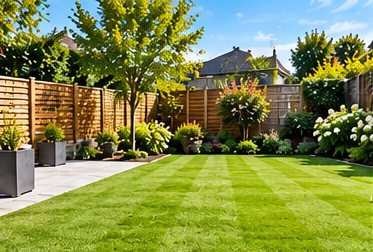
Natural Turf or Artificial Grass: Which Is Right for You?
An honest comparison of natural turf and artificial grass, covering upkeep, drainage, heat, pets, lifespan and when a mix works better.
Read the guide
When to Lay a New Lawn and How to Look After It Properly
Timing, ground preparation, laying, watering and aftercare for a new turf or seeded lawn, plus how to pick the right type of grass.
Read the guide
Garden Drainage Solutions: Soakaways, Drains and Channels
Surface water causes, channels, French drains, soakaways and permeable paving, and where water should go.
Read the guidePlanning turfing & lawns?
Send a few details and we will arrange a free site visit. Photos on WhatsApp help us understand the job before we visit.
Get a free quote
Tell us a little about the job and we will come back to you shortly.