
Shade-Tolerant Lawns and What to Do With Shady Gardens
Why grass thins out in shade, what shade mixes can realistically do, and when planting, gravel or artificial grass makes more sense.
Almost every garden has a corner where the lawn simply will not behave. The grass is thin, the soil shows through, moss creeps in, and no amount of reseeding seems to hold. The cause is usually not neglect. Grass is a sun-loving plant, and a patch that sees direct light for only a few hours a day is asking it to do something it is poorly designed for.
The good news is that shade is not a single problem with a single answer. Light-shade under a high canopy is very different from the deep, dry gloom beside a north-facing wall. This article explains why grass struggles, what a shade-tolerant mix can honestly achieve, what you can change to let in more light, and when it is wiser to stop fighting the shade and use something else altogether.
Why grass struggles in shade
Grass makes its food from light. In shade it grows slowly, produces a shallow root system and cannot recover quickly from wear, mowing or a dry spell. Thin growth leaves bare soil, and bare soil in a damp, shaded spot is exactly where moss and weeds move in.
Shade rarely comes alone. Under trees, roots compete with the grass for water and nutrients, and the canopy can keep rain off the ground so the soil is surprisingly dry. Beside buildings and fences, the opposite can happen: the ground stays damp because sun and wind never reach it. Working out which situation you have matters, because the fixes differ.
Work out what kind of shade you have
Spend a day watching the spot. Note how many hours of direct sun it gets in spring and summer, and whether the light is dappled or blocked completely. A lawn that gets some morning or afternoon sun has a reasonable chance. A lawn that is in shade all day, every day, is unlikely to ever look like a sunny one.
- Dappled shade under a high, thin canopy is the easiest to work with.
- Dense shade under evergreens or a close, tall hedge is difficult because little light and little rain reach the ground.
- Building shade, from a house or garage wall, is steady and often damp.
- Seasonal shade from deciduous trees gives the lawn light in early spring, which helps a lot.
- Dry shade, where roots drain the soil, usually needs the soil improving as well as the right grass.
Shade-tolerant seed and turf mixes
Seed and turf suppliers sell mixes weighted towards fine fescues and similar grasses that cope better with lower light than a hard-wearing sports or family mix. They are a genuine improvement over a standard mix in a lightly shaded spot, but they are tolerant, not immune. Expect a slightly thinner, slower lawn than the sunny parts of the garden, and expect it to dislike heavy foot traffic.
Sowing in early autumn is usually kinder to shade lawns than spring, because the trees are still giving light but the soil is warm and moist, and the grass can establish before the canopy closes again. Turf can be used as well, but ask for a shade-suited type rather than assuming any turf will do. Either way, the ground underneath matters more than the label on the bag.
- Prepare the soil properly: remove old moss, loosen compacted ground and rake to a fine, even surface.
- Sow at the rate stated on the packet, not thicker, as crowded seedlings in poor light weaken each other.
- Keep new growth watered, especially under trees where rain is intercepted.
- Mow higher than you would in the sun, and do it less often, so the blades can gather as much light as possible.
Letting in more light
Before spending on seed or turf, ask whether the light can be improved. Crown lifting, where the lower branches of a tree are removed, and selective thinning of a dense canopy can change a gloomy lawn into a workable one without losing the tree. This is skilled work and the right season and method depend on the species, so get advice, and check whether any tree is protected or in a conservation area with your local council before anything is cut.
Overgrown hedges and shrubs that have crept outwards are a common culprit too. Reducing a hedge in height or width, or clearing self-sown saplings, can add valuable hours of sun. Light-coloured fences and walls bounce a little extra light back, though it will not transform deep shade.
Moss, compaction and drainage
Moss is a symptom more than a cause. It thrives where grass is weak, so killing it without improving conditions only gives you a brief break before it returns. Raking out dead moss in autumn or spring, then aerating the surface and overseeding, treats the underlying problem. Compaction is common in shaded lawns that are used as walkways, because the grass cannot repair itself between footsteps. Spiking or hollow-tining the lawn lets air and water reach the roots.
Poor drainage makes everything worse. If water sits on the surface after rain, the issue may be levelling, compacted subsoil or a lack of fall away from the house. Fixing that comes before any planting. Fallen leaves also deserve a mention: a blanket of wet leaves on a shaded lawn blocks the little light there is and encourages disease, so clear them regularly through autumn rather than waiting for one big tidy.
When another surface is the better answer
Some spots are simply not going to grow a good lawn, and recognising that early saves effort. If the area is in deep shade, is walked on daily, or is dry and root-filled under a mature tree, consider alternatives.
Shade-loving planting such as ferns, hostas, hellebores and ground-cover plants can look better than struggling grass, and mulch around them keeps the soil moist. A gravel or bark area with stepping stones suits dry shade and needs very little. Artificial grass is an option where you want a green, even surface that stays usable in wet weather, although shaded artificial grass can still collect algae and needs brushing and occasional cleaning. A properly laid base with good drainage is essential in damp spots.
- Natural lawn: works in light shade with the right mix, soil care and patience.
- Planted bed: suits dense or dry shade and adds seasonal interest.
- Gravel or bark: suits low-use corners and needs a weed membrane and occasional topping up.
- Paving: suits seating areas and well-walked routes, with falls for drainage.
- Artificial grass: suits busy family areas that need year-round green, with honest expectations about upkeep.
Common questions
Is there any grass that grows in full shade?
No grass thrives in deep, all-day shade. Shade-tolerant mixes cope with reduced light, but dense shade usually calls for planting, mulch or another surface instead of a lawn.
Should I kill the moss in my shaded lawn?
Moss treatments only help if you also tackle the reasons it is there: low light, compaction, damp and thin grass. Rake it out, aerate, improve drainage and overseed, or the moss will come back.
Can you remove a tree to help my lawn?
Sometimes the answer is crown lifting or thinning rather than removal, and some trees are protected. Check with your local council first, and we can look at the whole garden during a free site visit.
Keep reading
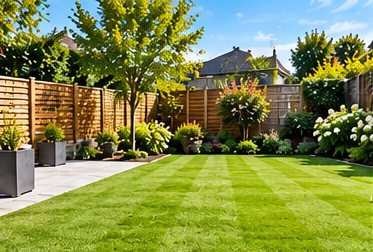
Natural Turf or Artificial Grass: Which Is Right for You?
An honest comparison of natural turf and artificial grass, covering upkeep, drainage, heat, pets, lifespan and when a mix works better.
Read the guide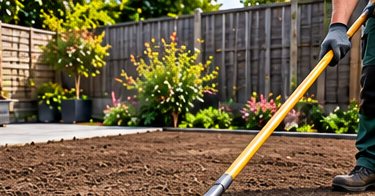
Lawn Care Through the Year: Feeding, Weeds and Moss
A season-by-season lawn care calendar in plain language, covering mowing height, feeding, weeds, moss, aeration and watering.
Read the guide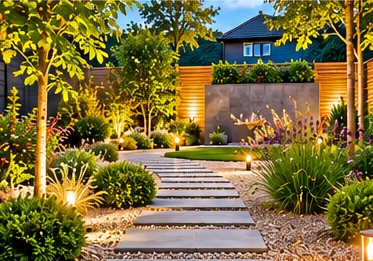
Low Maintenance Planting: Ground Cover, Mulch and Easy Plants
How to plan easy-care planting with the right plants, ground cover, mulch and watering habits, and what membranes can and cannot do.
Read the guidePlanning turfing & lawns?
Send a few details and we will arrange a free site visit. Photos on WhatsApp help us understand the job before we visit.
Get a free quote
Tell us a little about the job and we will come back to you shortly.