
Small Low Maintenance Garden Ideas for Courtyards and Terraces
Ideas for courtyards and terraces that look good through the year with little upkeep, plus honest limits on what low maintenance means.
A small garden has a built-in advantage for low maintenance: there is simply less of it. But small spaces also magnify mistakes. A few tired pots, a patch of bare soil or a cluttered corner can dominate, and nowhere to store things means the clutter ends up in view.
This article collects ideas for small courtyards, terraces and compact back gardens: how to mix hard surfaces and planting, use walls and fences for vertical growing, make containers work, where a small patch of artificial grass makes sense, and how to build in storage and screening. It also covers the honest limits, because no garden looks after itself completely.
Courtyard and terrace layouts that work
In a courtyard, the paving is the largest part of the picture, so it deserves care. A single paving type laid neatly looks calmer than several competing ones. Give the space a clear purpose, such as a table and chairs near the door, and leave the rest for planting and storage.
A terrace on a slightly raised level can add interest without needing much space, and a gentle step helps separate eating and relaxing areas. Make sure surfaces fall away from the house and that the damp proof course remains visible, particularly if you are changing levels.
Think about the view from inside the house, too. In a small plot, the garden is seen through windows more often than it is walked on, so a focal point such as a wall planter, a single specimen pot or a small water feature opposite the main window adds more than extra paving would.
A paving mix that stays tidy
Mixing materials works well in small spaces if the palette is restrained. Large slabs for the main area, with a narrow border of setts or a band of gravel for planting, can add texture without clutter. Joints between slabs can host weeds and moss, so well-laid paving with a suitable jointing compound keeps things neater.
Gravel is quick to lay and good around plants, but it needs a firm edge, a weed-suppressing membrane and a little raking. It can migrate onto paving and into the house on shoes, so keep it away from main doorways.
Sweeping and the occasional wash are the main upkeep for paving, plus a check for moss where it is damp and shady. A sealer can make cleaning easier on some surfaces, though not all need it, so ask what suits your chosen material before applying anything.
- Limit the palette to two or three materials.
- Keep gravel areas contained with a solid edge.
- Use textured surfaces where it gets damp or shaded.
- Leave a few gaps or beds for planting rather than paving everything.
Vertical planting and containers
Walls and fences are free planting space. Evergreen and flowering climbers on trellis or wires soften boundaries and cut down on bare surfaces, while wall-mounted planters and a living wall add more. Choose self-clinging or well-supported climbers and check that fixings suit the wall or fence.
Containers give flexibility but they dry out quickly and need regular watering. Fewer, larger pots are easier to look after than many small ones, because they hold more moisture and look more deliberate. Use good compost, make sure there are drainage holes, and consider a simple drip watering kit with a timer if you are away often.
Group containers together rather than scattering them. A cluster of pots of different heights looks planned, shares moisture and shade, and is quicker to water in one go. Raise pots on feet so water drains freely and does not stain the paving.
A small patch of artificial grass
A small area of artificial grass can give a green focus in a courtyard where a natural lawn would struggle with shade or foot traffic. It stays green through the year and removes mowing.
It does have limits. It needs a properly built base to lie flat, it can get warm in strong sun, and it still needs brushing and rinsing, with leaves and debris cleared regularly. It will not suit everyone's taste, and a few planted beds alongside will make it feel less artificial.
Edges and joints matter on a small patch, because every line is on show. Good edging, a neat finish at the paving and well-hidden seams stop it looking like an afterthought. See our article on artificial grass maintenance for the routine care involved.
Storage, screening and evergreen structure
Hidden storage is the secret of a tidy small garden. A low bench with a lid, a slim shed or a cupboard against a wall keeps tools, cushions and bins out of sight. Plan the position early, as it affects layout and access.
Screening deals with overlooking and ugly views. Slatted fencing, trellis, tall pots and screening plants give privacy without the weight of solid walls. Check fence height rules and any covenants, and ask your local council if you are unsure.
Evergreen structure keeps the garden looking intentional in winter. A few clipped shapes, a small evergreen shrub or two and some architectural foliage plants give the space bones, with seasonal colour layered on top.
- Choose a few evergreen plants that need little pruning.
- Repeat the same plants in several places for a calm, unified look.
- Keep tall screening on the side where you sit and look.
Honest limits
Low maintenance does not mean no maintenance. Paving needs sweeping and an occasional clean, gravel needs raking, containers need watering, and plants need a trim now and then. What good design does is reduce and simplify the jobs, so that an hour or two now and then keeps everything in order.
If you would like help planning a courtyard or compact garden, we can visit for free and give you a quote, covering groundwork, drainage, laying and finishing across Worcester and the surrounding area.
Lighting, water and seasonal care
A small garden used in the evening benefits from simple lighting: a few wall lights or low-level lights, with ducts laid before paving so cables are hidden. An outside tap near the planting makes watering far less of a chore, and a water butt can supply pots during dry spells.
Seasonal care can be reduced to a short list. In spring, tidy and feed containers. In summer, water and deadhead what you want to keep looking neat. In autumn, clear leaves from paving and gutters. In winter, protect tender pots and keep surfaces clear of slippery debris.
- Sweep paving regularly so leaves do not stain or breed algae.
- Check drainage outlets and channels are clear after leaf fall.
- Replace tired container compost every couple of years.
- Trim climbers once a year to keep them within bounds.
Common questions
What is the easiest surface for a small courtyard?
Well-laid paving with a textured finish is usually the simplest to live with, needing sweeping and an occasional clean. Gravel and artificial grass can work in parts but bring their own small tasks.
Which plants suit containers with little upkeep?
Evergreen shrubs, compact grasses and hardy perennials in large pots generally cope well and look good all year. Big containers hold more water than small ones, so they need less frequent watering.
Can I go without any planting at all?
You can, but a courtyard with no planting often feels hard and bare. A few well-chosen pots or a climber on one wall adds softness for very little effort.
Keep reading
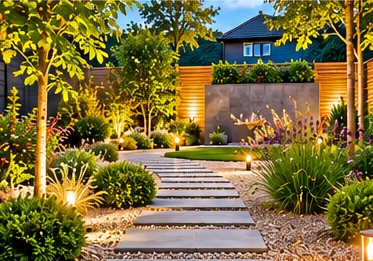
Patio Ideas for Small Gardens: Layouts That Make Space
How to plan a patio in a small garden so it feels roomy, drains properly and still leaves space for plants.
Read the guide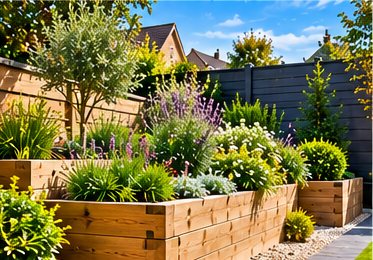
What Makes a Garden Low Maintenance? An Honest Guide
No garden is maintenance-free, but you can design out most of the repetitive jobs. Here is what takes time and how to reduce it.
Read the guideLow Maintenance Planting: Ground Cover, Mulch and Easy Plants
How to plan easy-care planting with the right plants, ground cover, mulch and watering habits, and what membranes can and cannot do.
Read the guidePlanning low maintenance gardens?
Send a few details and we will arrange a free site visit. Photos on WhatsApp help us understand the job before we visit.
Get a free quote
Tell us a little about the job and we will come back to you shortly.