
Low Maintenance Gardens for Older Homeowners: Safe Design
Practical ideas for a safer, easier garden: level surfaces, handrails, raised beds, lighting and planting that needs little effort.
A garden should stay a pleasure for as long as you want it to. Over time, bending, kneeling, carrying and keeping your balance on uneven ground can become harder, and the tasks that were once enjoyable start to feel like a burden. A few well-chosen changes can keep the garden usable, safe and attractive without turning it into a bare yard.
This article covers practical ways to adapt a garden for comfort and safety: level, non-slip surfaces, steps and handrails, raised beds at a comfortable height, lawn choices, easy planting, lighting and access for walkers or wheelchairs. It also suggests a sensible way to phase the work so you can spread it out and keep control of it.
Level, non-slip surfaces first
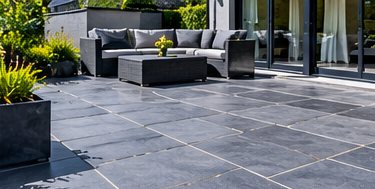
Safe surfaces matter more than anything else. Uneven paving, loose gravel, moss-covered slabs and sudden changes of level are the usual causes of slips and trips. Replacing damaged areas with firm, level paving laid to proper falls turns the garden from an obstacle course into somewhere you can walk with confidence.
Pick a textured or matt finish that grips when wet. Avoid highly polished surfaces and take particular care in shaded spots where algae builds up. Consistent colour and tone also help, because strong pattern changes can be confusing to anyone with poorer eyesight.
- Replace cracked, rocking or lifted slabs and fill dips that collect water.
- Choose slip-resistant finishes for paths, patios and steps.
- Avoid loose surfaces on main routes, as they are harder to walk on and difficult for walkers and wheelchairs.
- Keep routes clear of overhanging plants, hoses and pots.
Steps, handrails and gentle slopes
If you can remove a step by regrading, or replace it with a gentle ramp, do so. Where steps must stay, make them even, with generous treads, a consistent rise and contrast on the edge so each step is easy to see. A sturdy handrail on one or both sides gives support and reassurance, and it is sensible to fit it while the steps are being built or repaired.
Landings at the top and bottom give you somewhere to pause. For slopes, a shallow gradient with a firm, smooth surface is far easier to use than a series of short steps, particularly with a stick, rollator or wheelchair.
If a step cannot be removed, consider where people will stand when they use it. A level, non-slip landing at the top of a flight, enough room to put down a bag and a handrail within easy reach make the same step far less of a worry. Seating beside a long path or flight gives a place to rest, and takes up little space.
Raised beds at a comfortable height
Raised beds bring planting up to a height where you do not need to bend or kneel. Beds at roughly waist or seat height allow growing from a standing or seated position, and a wide edge or coping that you can lean on or sit on adds comfort. Make sure the beds are narrow enough to reach across without stretching.
Leave generous space between beds. A walker or wheelchair needs a path wide enough to turn, and the surface between beds should be firm and level. Raised beds built from brick, block or sleepers need sound foundations and drainage, and they need filling with suitable soil or compost. Pots and troughs on stands offer a lighter alternative.
Lawn or artificial grass?
Mowing, edging and feeding a lawn can become the most tiring job in the garden. Reducing the size of the lawn is often the first sensible step. A smaller lawn is quicker to cut, and the freed-up space can become paving, borders or raised beds.
Artificial grass removes mowing, but it is not maintenance-free. It still needs brushing, rinsing and occasional cleaning of leaves and debris, and it needs a properly built base to stay flat. Quality and installation also matter for how it feels underfoot. It can suit a small, shaded or awkward area where grass struggles, while a compact natural lawn may still give more pleasure to some people.
Easy-care planting and lighting
Choose plants that look after themselves: evergreen shrubs that need little pruning, hardy perennials and ornamental grasses that need cutting once a year, and ground cover that suppresses weeds. Group plants by their needs so watering is simple. A tap close to the beds, a hose that coils neatly and a timer or drip system cut down carrying and watering.
Good lighting makes the garden safer and extends the time you can enjoy it. Lay ducts under paths and patios when the ground is open so low-level lights, step lights and wall lights can be added neatly. Motion-sensor lights near doors and steps help on dark evenings. Have any mains wiring done by a qualified electrician.
Tools matter as well. Lightweight long-handled tools, a hose that reaches every bed and a storage point near the back door cut down on carrying. Pots on raised stands or wheeled trolleys can be moved to where you want them without lifting.
Phase the work sensibly
You do not have to change everything at once. A sensible order is safety first: levels, paths and steps near the house. Next comes the area you use most, such as a patio or seating spot, followed by planting beds, then smaller refinements such as lighting and furniture. Spreading the work lets you see how each change feels before committing to the next.
It also helps to involve family or a trusted friend in the plan, so changes reflect how you live rather than a generic idea of what older gardeners need. We offer a free site visit and quote in Worcester and surrounding Worcestershire towns, and we can talk through access, levels and a phased plan with you.
Access for walkers, wheelchairs and visitors
Think about the whole route, from the house door to the places you want to reach. Doorways and gates should be wide enough for a wheelchair or walker to pass, with a threshold that is as low as practical. A turning area near the door and by any seating spot lets a wheelchair user or someone with a walker turn without difficulty.
Surface choice again matters. Smooth, firm paving, or resin bound surfaces laid on a sound base, are easier to roll across than gravel or uneven slabs. Keep slopes shallow and avoid sudden dips, and leave planting back from the edge so it does not brush against anyone passing.
- Keep main routes clear, firm and wide enough to turn.
- Fit handrails alongside long ramps or steeper sections.
- Add a bench or a perch beside long paths for rest stops.
- Make the gate easy to open with one hand.
Common questions
What is the safest paving for an older person's garden?
Choose a firm, level paving with a textured, slip-resistant finish, laid with a gentle fall so water does not sit on the surface. Regular cleaning to remove algae and moss helps keep any surface safe.
How high should a raised bed be?
That depends on whether you garden standing or sitting. Beds around waist height suit standing, while lower beds with a wide edge to sit on suit seated gardening, and the width should allow you to reach the middle comfortably.
Is artificial grass really maintenance-free?
No. It removes mowing, feeding and weeding, but it still needs brushing, rinsing and clearing of debris, and a poor base will cause bumps and dips. A properly installed surface is much easier to live with.
Keep reading
Garden Path and Stepping Stone Ideas: Materials and Layout
Compare path materials, widths, curves and foundations so your garden path works for bins, wheelchairs and everyday use.
Read the guide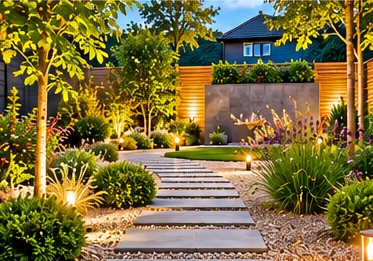
Garden Steps: Design, Materials and Building on a Slope
How to plan safe, comfortable garden steps on a slope, from rise and going to materials, handrails, drainage and foundations.
Read the guide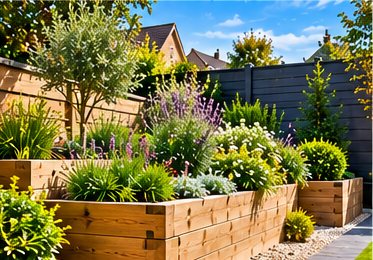
What Makes a Garden Low Maintenance? An Honest Guide
No garden is maintenance-free, but you can design out most of the repetitive jobs. Here is what takes time and how to reduce it.
Read the guidePlanning low maintenance gardens?
Send a few details and we will arrange a free site visit. Photos on WhatsApp help us understand the job before we visit.
Get a free quote
Tell us a little about the job and we will come back to you shortly.