
Garden Path and Stepping Stone Ideas: Materials and Layout
Compare path materials, widths, curves and foundations so your garden path works for bins, wheelchairs and everyday use.
A garden path looks like the simplest job in landscaping, yet it is one of the places where planning pays off most. The material, the width, the foundation and the way water leaves the surface decide whether it is pleasant to use for years or becomes a slippery, uneven strip you avoid in winter.
This article walks through the main path materials, how wide a path needs to be for real-life use, how to choose between curves and straight lines, and the groundwork that sits underneath. It also covers lighting ducts, drainage and access for wheelie bins and wheelchairs, which are easy to forget until the path is finished.
Choosing a path material
The right material depends on how the path is used, how formal the garden is and how much upkeep you will accept. Each option below can work well when it is built properly and each has limits.
Mixing materials is also an option. A paved main route with a gravel or planted side branch, or a path of large slabs edged with a narrow band of setts, can give interest without adding a great deal of complexity. Keep the number of materials small so the garden still feels coherent, and choose edges that cope with the mower if the path runs beside a lawn.
- Porcelain paving: hard, low-absorbency and consistent in colour, with good grip available in textured finishes. It needs a firm bed and careful cutting.
- Natural sandstone: varied tones and a traditional look, but surfaces differ between stones and can hold moss in shade.
- Setts and block paving: small units that follow curves easily and cope with light vehicle loads if the base is right.
- Gravel with edging: soft underfoot and quick to lay, but it needs a proper edge, a firm sub-base and occasional weeding and raking.
- Resin bound surfaces: smooth and joint-free, which suits wheelchairs and prams, though it relies on a sound, well-drained base.
- Stepping stones in a lawn: a light-touch option for occasional routes, set so the stone sits just below mowing height.
How wide should a path be?
Width should follow use rather than looks. A side path that only you walk along can be fairly slim, but a path that carries a wheelie bin, a wheelbarrow or a pushchair needs more room than most people expect, because you also need space for your hands and feet either side of the load. If two people will walk side by side, the path needs to be wider again.
A good habit is to test the width with a bin or barrow on the real route before you commit. Remember too that planting will spill over the edges in a season or two, which narrows the usable surface. Leave a little extra on borders that will be planted generously.
Curves or straight lines
Straight paths are direct, easy to build and suit formal or modern gardens. They also suit materials such as large slabs, where a curve means a lot of awkward cuts. Gentle curves feel relaxed and can slow the pace through the garden, hiding what lies beyond the bend, but they need a material that bends with them, such as setts, gravel or resin.
A curve should have a reason, such as going around a tree, a bed or a change in level. A random wobble tends to look contrived and makes edging harder. If a path is the main route to the back door and needs to be quick and safe in the dark, a straighter line is usually the practical choice.
Foundations: what goes under a path
Many failed paths fail underneath. Topsoil and roots must be removed, because they rot and settle, leaving dips. A compacted sub-base of suitable hardcore or crushed stone goes in next, built up in layers and compacted, followed by a bedding layer appropriate to the surface. The depth needed depends on the ground and the load, and a path that a vehicle might cross needs a stronger build than a footpath.
Edges matter as much as the middle. Without a restraint, loose materials and small units creep outwards and the surface spreads. A concrete haunching or a firm edging course keeps everything tight. Where roots from nearby trees are close, a thin base can be lifted, so it is worth discussing alternatives such as a flexible surface or a different route.
Drainage and falls
A path should shed water. A gentle cross-fall, usually towards a lawn or border, stops puddles and ice patches. Avoid pointing the fall at the house wall or a neighbour. Where a path runs across a slope, or crosses a patio, consider a channel or a soakaway point so water does not collect.
Paths that cross the front garden are also affected by the rules on paving. If a front garden path is part of a larger paved area, check with your local council about permeable surfaces or draining water to a border within your property.
Lighting ducts, access and the final details
While the path is open, lay a duct or two under it for lighting cables. It is a small job at this stage and saves digging up finished paving later. Sleeves across the path at sensible intervals also allow you to add an outside tap, a camera or a future power supply without breaking out.
Think about who needs to use the path now and in future. A route with no step, a firm and smooth surface and gentle slopes works for wheelchairs, walkers, prams and bins alike. Where a step is unavoidable, a short ramp beside it is often possible. Contrast at edges and a non-slip finish help in low light.
If you are not sure which material suits your garden, we can look at the route on a free site visit and talk through the options and groundwork for your property in Worcester or the surrounding area.
Getting stepping stones right
Stepping stones in a lawn look simple, but the details decide whether they last. Each stone should sit on a small bed of compacted material so it cannot rock, and the top should finish just below the level of the grass so the mower can pass over it. Spacing should suit an ordinary stride, which is usually a little closer than people first guess.
They suit occasional routes, such as to a shed or a washing line, rather than the main way to the back door. In wet weather the grass beside stones can turn muddy where people step off, so a path of continuous paving is the better choice for heavily used routes.
- Choose stones that are large enough to stand on comfortably with both feet.
- Pick a textured surface that grips when wet and does not hold standing water.
- Lay a trial run of stones on the lawn and walk it before fixing anything.
- Leave the edges clear of long grass so the stones do not disappear.
Common questions
What is the most low-maintenance material for a garden path?
Porcelain or well-laid paving slabs generally need the least attention beyond occasional cleaning. Gravel paths need raking and some weeding, and stepping stones in a lawn still need the grass trimmed around them.
Do I need a membrane under a gravel path?
A permeable geotextile layer over a compacted sub-base helps stop the gravel sinking into the soil and reduces weed growth from below. It will not stop seeds landing on the surface, so some light weeding is still likely.
Can I put stepping stones straight onto the lawn?
It is possible, but stones laid straight onto soil tend to rock and sink. A small bed of compacted material under each stone, set slightly below the turf, keeps them stable and lets you mow over the top.
Keep reading
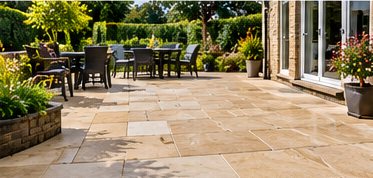
Porcelain or Natural Stone Patio: Which Should You Choose?
How porcelain, Indian sandstone and other natural stone compare for looks, grip, staining, laying and ageing.
Read the guide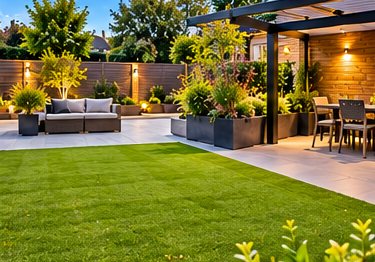
Garden Edging Options Compared: Brick, Metal, Timber and More
A practical comparison of garden edging materials, where each works, how it is installed and how to keep lawn edges tidy.
Read the guide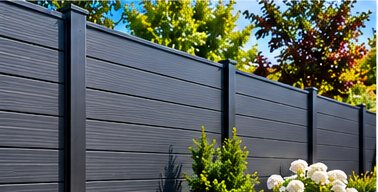
Low Maintenance Gardens for Older Homeowners: Safe Design
Practical ideas for a safer, easier garden: level surfaces, handrails, raised beds, lighting and planting that needs little effort.
Read the guidePlanning patios & pathways?
Send a few details and we will arrange a free site visit. Photos on WhatsApp help us understand the job before we visit.
Get a free quote
Tell us a little about the job and we will come back to you shortly.