
Garden Gates: Types, Fitting, Hardware and Common Repairs
Gate types, openings, posts, hinges, latches and locks, plus why gates sag and how to prepare for automation.
A gate is the part of a boundary that moves, so it is the part that wears first. Weight, hinges, latches and the posts it hangs from all work together, and if any one of them is under-specified the gate drops, drags or stops latching.
This guide covers the main gate types, how to decide on widths and openings, what posts and foundations a gate needs, the hardware that matters, why gates sag and how they are repaired, and what to think about if you may want automation later.
Gate types and materials
Wooden garden gates are the most common choice. Timber side gates can match the fence beside them, in closeboard or feather edge, tongue and groove, or a picket style for front gardens. Bespoke timber gates can be made to fit an odd opening or follow the line of a sloping path, and they are easier to adapt later than most alternatives.
Composite garden gates suit composite fences and need little finishing. Metal garden gates, in steel or aluminium, give a slimmer profile and are often used where security or a more formal look is wanted. Driveway gates and double wooden gates are larger and heavier, and need stronger posts and hardware.
- Timber side gates and side entrance gates: practical, adaptable, match most fences.
- Picket gates: decorative, low privacy, suit front gardens.
- Double wooden gates: suit wide openings and vehicles.
- Composite gates: low-upkeep finish to match composite fencing.
- Metal gates: slim, strong, good for security and formal styles.
Widths, openings and which way it swings
Measure the clear opening you need, not just the gap that exists. Think about wheelie bins, bikes, pushchairs, mobility aids and wheelbarrows, and what will actually pass through. A pedestrian side gate is often around the width of a door, but needs more if equipment goes through regularly.
Decide on swing direction before ordering. A gate that opens inwards is usually more secure and does not obstruct a footpath, but it needs clear space inside. Check there is room for the full arc and that it will not catch on paths, steps or plants. On sloping ground, the gate may need to be hung so that it clears the ground at the highest point of its swing, which can leave a larger gap below on the low side.
Posts, foundations and frames
Gate posts carry far more strain than ordinary fence posts. Every opening and closing pulls on the hinge side, and the weight of the gate is on that post all day. Heavier gates and wider openings need larger posts set deeper in properly formed concrete, and the hinge post matters most.
A well-made gate is built on a strong frame with a diagonal brace running from the bottom of the hinge side up towards the latch side. The brace stops the gate racking into a parallelogram. Boards fixed to a frame without a brace will often drop at the latch end. The brace should run so that it pushes down into the hinge post, rather than hanging the weight from the latch side. Timber gates in particular should have a robust frame, with the boards fixed to it rather than the gate relying on thin ledges alone.
Hinges, latches, locks and drop bolts
Hinges should be heavy duty and sized to the weight of the gate. Strap hinges or adjustable hinges spread the load along the frame, and adjustable hardware lets you correct small shifts later. Galvanised or coated hardware resists rust better than plain steel.
For latches and locks, think about who needs to open the gate and from which side. A thumb latch is quick for everyday use, a ring latch works from either side, and gate locks installation can add a keyed or padlock option for security. A drop bolt anchors one leaf of a double gate in the ground so the other can close against it. For driveway gates, a drop bolt needs a proper socket set into the surface, so plan its position before the drive is finished.
- Thumb or ring latch: everyday use, can be lockable.
- Keyed gate lock: better security, check key access for family.
- Drop bolt: fixes a double gate leaf in the ground.
- Tubular or bolt-on bolts: extra security from inside.
- Self-closing hinges or springs: useful for children and dogs.
Why gates sag and how repairs work
Most sagging has one of a few causes: a hinge post that has moved or rotted, a frame without a brace, loose or undersized hinges, or timber that has swelled and dropped with age. Dragging along the ground or failing to line up with the latch are the first signs. Weather makes it worse: a gate that swells in damp conditions will bind against its post, and one that dries out can shrink and loosen at the joints.
Garden gate repairs depend on the cause. Tightening hardware or adding a brace may be enough. If the hinge post is leaning or rotten, gate post replacement is the proper repair, because rehanging a gate on a failing post only delays the problem. Sometimes the gate itself is worn out and a new one is better than a repair. Bespoke timber gates can often be remade to the same opening, reusing sound posts and hardware where they are still in good order.
Security, privacy, dogs and children
For security, consider a solid gate without footholds, a good lock and a gate height that matches the fence. Security garden gates generally rely on strong posts, hidden hinge bolts and robust locks. For privacy, choose solid boards with no gaps and keep the gap at the bottom small.
If dogs or children use the garden, think about gaps, latch height and self-closing hardware. A latch that can be lifted by a determined dog or reached by a toddler is not enough on its own. Fitting a lockable or higher latch usually solves it. Check the bottom gap too, since small dogs can squeeze through the space under a gate that has dropped, and keep any climbing plants or stacked items clear of the gate so there is no easy foothold.
Preparing for automation, and upkeep
If you may add electric gates in future, planning ahead helps. Laying ducting or conduit under the driveway before the surface goes down makes it easier to run cables later, and stronger posts and a sound opening make fitting easier. Gate automation preparation is about creating options, so confirm requirements with the supplier before committing.
Gates need a little care. Check hinges and bolts for tightness each season, lubricate moving parts, keep the bottom edge clear of soil and treat timber as you would the fence. We can look at gate and post requirements during a free site visit and quote.
Common questions
Why does my garden gate keep dropping?
Usually the hinge post has moved, the frame has no brace, or the hinges are too light for the weight. Check the post first, because rehanging on a loose post will not hold. Adding a diagonal brace and heavier hinges often helps.
How wide should a side gate be?
It depends on what needs to go through it. Bins, bikes and wheelbarrows generally need more room than people do, so measure the widest item and allow some margin. Check the opening and the swing before ordering.
Can I put in a driveway gate that opens inwards or outwards?
Inward opening is usually neater and safer, but needs clear space and level ground. An outward-opening gate that swings over a pavement or footpath can cause problems, so check with your local council before deciding.
Keep reading
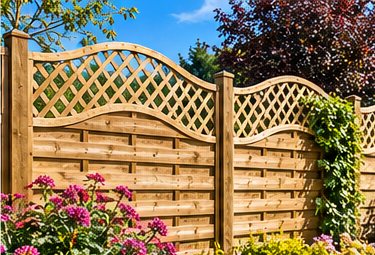
Types of Garden Fencing Explained: Styles, Privacy and Upkeep
A plain guide to the main garden fence styles, covering looks, privacy, strength, upkeep and where each one makes sense.
Read the guide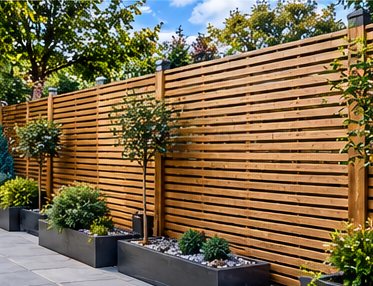
Fence Height and Boundary Rules in England: What to Check First
What to check before fitting or replacing a boundary fence in England: height limits, ownership, neighbours, slopes and access.
Read the guide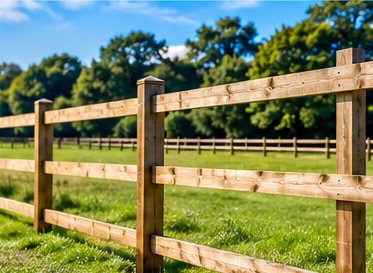
Repairing Storm-Damaged Fences: Posts, Panels and Rails
Why fences fail in wind, how to check which posts are going, and when to repair, reinforce or replace.
Read the guidePlanning fencing?
Send a few details and we will arrange a free site visit. Photos on WhatsApp help us understand the job before we visit.
Get a free quote
Tell us a little about the job and we will come back to you shortly.