
Lawn Edging and Borders: Options That Keep a Lawn Neat
How to choose lawn edging that stays crisp, from a simple cut edge to metal, timber or brick, with notes on curves and mowing.
The line between lawn and border does more for a garden's appearance than almost anything else. A crisp edge makes a modest lawn look cared for. A ragged one, with grass creeping into the beds and soil spilling onto the turf, undermines even a well-kept garden.
There is no single right answer. The right choice depends on how you mow, how much upkeep you will tolerate, the shape of the lawn and the style of the garden. This article walks through the main options, how each behaves over time, and the practical points that decide whether an edge stays sharp or slumps after a couple of seasons.
The simple cut edge
A cut edge, sometimes called a half-moon edge after the tool used, needs no materials at all. You slice a clean vertical face down into the turf with a half-moon edging iron, guided by a straight board or a hosepipe for curves, and lift away the off-cut. It needs no materials and suits informal gardens well.
The downside is upkeep. Grass spreads back, so the edge needs recutting a few times a year, and a vertical face will crumble in wet weather or on loose soil. It is a good choice if you enjoy the job and want flexibility to change the shape later.
A useful trick is to cut the edge after a mow, when the grass is short and the line is easy to see. Do it when the soil is moist but not saturated, and take a thin slice off the lawn side instead of the border side so the lawn does not slowly shrink.
Plastic and metal edging
Plastic edging is flexible and easy to bend around curves. It is held with stakes and sits low, but quality varies. Thin strips can lift in frost, distort in heat, or become brittle with age. A heavier-duty profile held firmly in place performs better.
Metal edging, usually galvanised or powder-coated steel or aluminium, gives a slim, neat, modern line that holds its shape and resists the pressure of roots and soil. Steel stays rigid over long runs and makes tight curves with the right profile. Make sure the top edge is smooth or rolled and set slightly below the lawn level so it is not a hazard to bare feet or mower blades.
- Plastic: flexible and simple to fit, but check the thickness and fixing.
- Aluminium and steel: slim and long lasting, good for clean modern lines.
- Corten or weathering steel: develops a rust colour and suits naturalistic planting.
- Always set the top just below the turf so the mower can pass over.
Timber and sleeper edges
Treated timber boards and small log rolls give a more rustic finish, and timber is useful where the border sits higher than the lawn and you want to hold soil back. Choose pressure-treated timber, set it on a firm footing and fix it to stakes on the border side so the fixings do not show.
Timber will eventually weather and, in contact with damp soil, rot, so expect to replace it at some stage. Where the border needs retaining at a significant height, a proper sleeper or retaining wall detail is a different job, covered in our article on retaining walls and raised beds.
Metal and plastic edges also let you keep a clear gap between lawn and bed for mulch. Fill the border side to just below the top of the edging so bark or soil does not wash across onto the grass after heavy rain.
Brick, block and stone edging
Bricks, setts or small blocks laid along the lawn edge are traditional and durable. There are two common ways to do it. A soldier course stands bricks on end, side by side, which gives a neat, formal line. A flat edge lays them end to end, which is simpler and lower.
Bedding them on a bed of mortar over a compacted base keeps them from shifting. Dry-laid bricks are quicker to fit but can move, particularly where frost or heavy mowers apply pressure.
Frost is the main enemy of any brick edge. Water that freezes under or between units pushes them up, so a well-compacted base with free drainage matters. Use bricks or blocks that are suitable for outdoor use, as soft indoor bricks flake and crumble within a few winters.
The mowing strip
A mowing strip is a flat band of bricks, blocks or paving laid just below lawn level, so the mower wheel runs along it and cuts right to the edge. Because the mower overhangs the strip, there is no trimming by hand. This is the lowest-maintenance way of finishing a lawn next to a bed, wall or fence.
A strip also stops grass roots creeping under a fence panel or into a border, and it provides a clean base for a retaining kerb. A width that fits your mower wheel comfortably, often around the width of a standard brick or block laid across, works well.
- Lay on a compacted sub-base with a bed of mortar or sharp sand.
- Keep the surface slightly below the turf so the mower rolls over it.
- Leave a gentle fall so water drains off instead of pooling.
- Choose frost-resistant units for exposed gardens.
Curves, borders and edging beside paving
Gentle, generous curves are easier to mow and look better than tight wiggles. Mark the line with a hosepipe or rope, step back and view it from the house and from the seating area before cutting. If the lawn is hard to mow around, the shape is probably the problem.
Where a lawn meets a patio or path, the paving itself can act as the mowing edge if it sits slightly below the turf. Where it stands proud, the grass must be trimmed by hand. Borders themselves benefit from a mulch layer, which keeps weeds down and soil moist, and gives a clean contrast against the grass.
Think about the border too. A bed that is too narrow looks mean and cannot hold layered planting, while a wide bed with a curved front gives space for height and depth. As a rough guide, make a border wide enough to plant in at least two layers, and make sure you can reach the back without trampling the soil.
Installation tips that make edges last
Most failed edges fail because of the preparation, not the material. Start by marking out and removing turf to a consistent depth. Firm the ground along the line, set the edging to a consistent height along its whole length, and backfill and compact against it. Check the levels along the way, because a small dip shows immediately when the mower passes.
If you are laying an entire new lawn, it is much easier to fit the edging first, then bring the turf to meet it. If you have an existing lawn and are changing the shape or fitting a more permanent edge, we can look at what suits the site during a free site visit.
Common questions
What is the lowest-maintenance lawn edge?
A mowing strip of bricks or blocks set just below lawn level is usually the least work, because the mower runs along it and there is nothing to trim by hand. It does need a firm base.
How deep should lawn edging be set?
Deep enough to be held firmly, which depends on the product and the soil. Metal and plastic edging is staked with its top just below the turf, while brick edges need a compacted base beneath them.
Can I put edging in around an existing lawn?
Yes, though you will need to cut the turf back neatly and prepare a firm line along the edge. It is usually quite achievable on an established lawn without disturbing the rest.
Keep reading
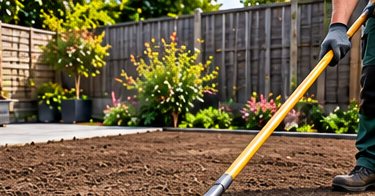
Lawn Care Through the Year: Feeding, Weeds and Moss
A season-by-season lawn care calendar in plain language, covering mowing height, feeding, weeds, moss, aeration and watering.
Read the guide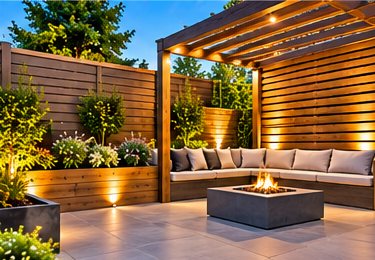
Retaining Walls, Raised Beds and Sleepers Explained
Retaining walls, sleepers, raised beds, steps and edging: materials, limits, drainage and when to call an engineer.
Read the guide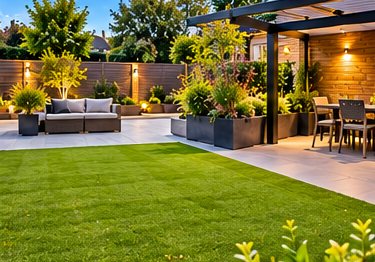
Garden Edging Options Compared: Brick, Metal, Timber and More
A practical comparison of garden edging materials, where each works, how it is installed and how to keep lawn edges tidy.
Read the guidePlanning turfing & lawns?
Send a few details and we will arrange a free site visit. Photos on WhatsApp help us understand the job before we visit.
Get a free quote
Tell us a little about the job and we will come back to you shortly.