
Artificial Grass Maintenance and Cleaning: What to Expect
A practical routine for keeping artificial grass tidy, plus what to avoid and what the honest limits of low maintenance are.
Artificial grass is sold as low maintenance, and that is fair: no mowing, feeding, scarifying or reseeding. But low maintenance is not the same as no maintenance. Left alone, a synthetic lawn collects leaves, dust, pollen and the odd weed, the pile can flatten, and shaded or damp areas can turn green with algae.
The routine is light and mostly seasonal. This article sets out what to do, how often, what to avoid and what to check once or twice a year so small problems at seams and edges do not become big ones. It assumes the lawn was installed on a properly drained, compacted base, because no amount of cleaning will fix a base that holds water.
Brushing and keeping the pile upright
Brushing is the single most useful task. Use a stiff broom or a soft-bristled outdoor brush, and sweep against the direction of the pile. This lifts flattened fibres, spreads out any infill evenly and clears light debris. Avoid wire brushes and metal rakes, which can snag or cut the yarn and damage the backing.
Areas that get heavy use, such as the path to the back door, under play equipment or where furniture sits, flatten first. Moving furniture occasionally and brushing those spots more often keeps the surface looking even. How often you brush depends on use, but a quick go every few weeks, and after any heavy use, is a sensible habit rather than a rule.
Rinsing, leaves and general debris
A rinse with a hose now and then washes away dust, pollen and light soiling, and helps the surface drain freely. In autumn, clear leaves promptly. A leaf blower on a low setting, a soft brush or a light plastic rake works well. Left to rot, leaves break down into a fine film that feeds algae and weeds.
Avoid a pressure washer unless you keep it on a gentle setting and well back from the surface. A strong jet can loosen infill, lift seams and damage the fibres. Ordinary water and a brush deal with most routine dirt.
- Brush the pile upright every few weeks and after heavy use.
- Hose off dust and pollen as needed, especially in dry spells.
- Clear fallen leaves little and often through autumn.
- Remove twigs and sharp debris before they get trodden in.
- Keep gutters and overhanging branches in check to reduce what lands on the lawn.
Weeds at the edges and through the surface
A good installation includes a weed-suppressing membrane and a compacted sub-base, so weeds rarely grow up from below. What you may see instead are seedlings that germinate in the thin layer of dust and debris on the surface, and weeds creeping in along the edges where the lawn meets borders, paving or fences.
Pull small weeds by hand while they are young. For stubborn ones along the edge, a narrow-bladed tool can lift them without catching the turf. If you use a weedkiller, choose one suitable for use around synthetic surfaces, read the label carefully and keep it off the grass where you can. Preventing build-up of soil and leaf litter does more than any treatment.
Pets, stains and smells
Solid waste should be picked up and bagged, then the spot rinsed with clean water. Urine drains through the surface into the base, but in warm weather it can leave a smell if the area is never rinsed. A regular hose-down of the favourite spots helps, and a pet-safe artificial-grass cleaner can be used if odour builds up. Make sure the base underneath drains freely, as standing moisture is the real cause of persistent smells.
For spills such as food, drink or mud, blot first, then rinse and use mild soapy water on a cloth. Chewing gum can be hardened with ice and lifted off. For anything oily or stubborn, test a small hidden area first. Ordinary household bleach and strong solvents are better avoided, as they can fade or damage the fibres.
- Pick up solid waste promptly and rinse the area.
- Rinse regular toilet spots with water on a routine basis.
- Use mild soapy water for most stains and test unfamiliar products out of sight.
- Avoid harsh chemicals, bleach and solvents.
Moss and algae in shaded or damp areas
Synthetic grass cannot grow moss from the fibres themselves, but moss and algae can build up on the dust and organic matter in the surface, especially in shade, under trees and in spots that stay damp. You will see a green, slippery film or small patches of moss.
Brush the area vigorously to loosen it, then wash with a mild, suitable cleaner and plenty of water. Improving airflow and light by trimming back branches helps, and so does clearing leaves quickly. If the same area keeps turning green, check whether the base is draining. Water lying beneath the lawn is a design or installation issue, not a cleaning one.
What to avoid: heat, sharp objects and harsh products
The fibres are plastic, so heat is the main enemy. Do not place barbecues, fire pits, chimineas or patio heaters directly on the surface, and keep hot ashes or cigarette ends off it. Sunlight reflected strongly from a nearby window or glass door can also overheat and distort the pile in some situations, so watch for that if you see signs of melting or shiny patches.
Other things to avoid are dragging heavy furniture across the surface, using sharp tools for weeding, using metal-tined rakes and leaving rubber-backed mats or paddling pools in place for long periods, which can trap moisture and flatten the pile. A little care around the lawn goes a long way.
Seams, edges and twice-yearly checks
Once or twice a year, walk the lawn and look closely at the seams where rolls join, and along the perimeter. Seams should be tight and flat with no gaps showing the backing or base. Edges should be firmly fixed, with no lifting corners or loose sections where pets or children can catch their fingers or paws.
Look for dips or soft spots that suggest the base has settled, and check that water drains away quickly after rain. If you find a lifting edge or a failing seam, deal with it early. A small repair is straightforward, whereas a seam that has been walked on and pulled apart for months is harder. If you are unsure, ask the installer to take a look, and we are happy to advise during a free site visit.
- Check seams for gaps and lifting.
- Check perimeter fixings and edge restraints.
- Look for puddles, dips or soft areas.
- Top up infill if the pile is flattening and your type of lawn uses it.
Common questions
How often should artificial grass be cleaned?
Most lawns need a brush every few weeks, leaf clearing in autumn and a rinse when dusty. Heavily used, shaded or pet areas will need more frequent attention.
Can I use a pressure washer on artificial grass?
It is safer to avoid it. A strong jet can loosen infill and damage seams or fibres, so a hose, a brush and mild soapy water are the better choice.
Why does my artificial lawn smell?
The usual causes are pet urine that is never rinsed away or a base that does not drain properly. Rinse regularly, use a pet-safe cleaner, and if the smell persists have the drainage underneath checked.
Keep reading
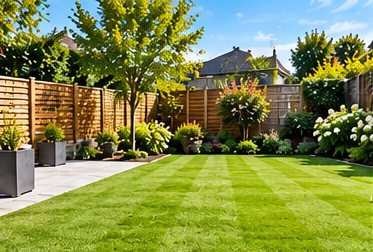
Natural Turf or Artificial Grass: Which Is Right for You?
An honest comparison of natural turf and artificial grass, covering upkeep, drainage, heat, pets, lifespan and when a mix works better.
Read the guide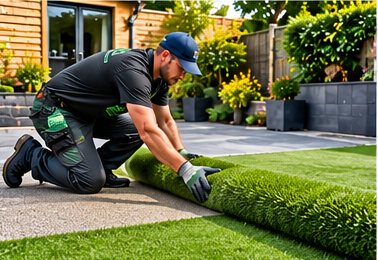
How Artificial Grass Is Installed: A Step-by-Step Guide
The full artificial grass installation process, from removing the old lawn to sub-base, drainage, edging, seams and finishing.
Read the guide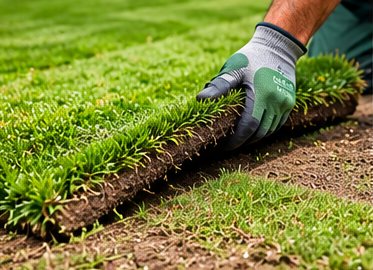
Dog and Child Friendly Lawns and Artificial Grass Guide
What to look for in pet and child friendly lawns, from drainage and backing to odour, shockpad, edging and hard-wearing turf.
Read the guidePlanning turfing & lawns?
Send a few details and we will arrange a free site visit. Photos on WhatsApp help us understand the job before we visit.
Get a free quote
Tell us a little about the job and we will come back to you shortly.