
Driveway Weeds, Moss and Oil Stains: Cleaning and Care
Routine care and safe cleaning for block paving and resin drives, plus how to treat weeds, moss, algae and oil without damaging the surface.
A new driveway looks sharp for a few months, then real life arrives: seeds blow into the joints, damp corners go green, and the car drops a little oil in the same spot every week. None of this means the drive has failed. It means it needs ordinary care, and the right care depends on what the surface is made of.
This guide sets out a simple routine for block paving and resin, explains how to treat each common problem, and, just as importantly, what not to do. Aggressive cleaning is responsible for more damaged driveways than neglect is.
A routine that prevents most problems
Most weeds and moss need two things: a bit of organic material to root into and moisture that stays put. Keeping the surface swept stops both. A stiff broom every week or two, and a more thorough sweep in autumn when leaves fall, removes the debris that turns into compost in the joints.
Look at where water collects. A damp, shaded corner or a spot where a downpipe discharges will grow algae and moss first. Clearing gutters, keeping hedges cut back and making sure the surface drains properly do more for the drive than any chemical.
Spring and autumn are good times for a deeper clean, because weeds are small and the weather is mild enough for treatments to work. Avoid cleaning in hard frost or in blazing sun, when chemicals can dry too quickly or the surface can become slippery.
- Sweep regularly, and more often under trees.
- Clear gutters and downpipes so they do not spill on the drive.
- Cut back overhanging hedges to let light and air in.
- Deal with small patches early, before they spread.
Block paving: weeds and moss
Weeds appear in block paving joints because the jointing sand slowly washes out and fills with soil and seed. For a few weeds, pulling them by hand or using a joint knife works, and a dedicated patio weed treatment can be used following the label. Take care near lawns and borders, since some products will harm plants.
Moss and algae grow on the surface itself, especially in shade. A suitable biocide or patio cleaner applied as the label directs, followed by a brush and rinse, is usually enough. Leave it to work rather than trying to blast it off in one go; the treatment does the hard part, and the water just rinses it away.
Keep an eye on what you are using near drainage. Run-off from strong chemicals ends up in gullies, borders and sometimes watercourses, so read labels carefully and use only what you need, in small areas, and on a calm day without rain forecast.
Pressure washing: use it carefully
A pressure washer is useful, but it is the easiest way to damage block paving. Too much force strips the sand from the joints, roughens the surface and can leave stripes and lighter patches. Hold the nozzle at a sensible distance, use a wide fan rather than a pinpoint jet, and keep it moving. A rotating surface cleaner head spreads the force more evenly than a bare lance.
Plan to refill the joints afterwards. Once the sand has been washed out, the blocks lose some of their lock and the weeds return faster. Never use strong acids on concrete block paving or on natural stone: they eat into the surface, can change colour and may harm the plants and drains nearby.
- Use a wide fan nozzle and keep a steady distance.
- Avoid concentrated jets near edges and joints.
- Do not use strong acids or bleach-heavy mixtures on paving.
- Re-sand the joints after any thorough clean.
Oil, diesel and other stains
The rule with oil is to act quickly. Soak up fresh drips with absorbent granules or cat litter, leave them to draw the oil out, sweep them away, then use a degreaser designed for paving. On block paving, a poultice or a dedicated oil remover often works better than scrubbing, because it pulls oil out of the pores rather than pushing it deeper.
Old stains may fade rather than vanish, and repeated treatment can lighten the surface and leave a clean patch that looks worse than the stain. On resin, use a mild detergent and a soft brush; harsh solvents can attack the binder. A drip tray under a leaking engine is a far more effective fix than any cleaner.
Never mix cleaning products, and always test a treatment on a small hidden corner first. Some cleaners will lighten coloured blocks, leaving a patch that is more noticeable than the original stain, and it is much easier to prevent that than to repair it.
Re-sanding and when sealing helps
Joints in block paving are filled with a fine kiln-dried sand. Over time rain, brushing and cleaning remove some of it, so topping up every so often is part of normal ownership. Sweep the sand in, vibrate or brush it down, and top up again, leaving the joints full to just below the chamfer. Polymeric sand, which hardens slightly when wetted, can resist weeds and washout better, though it must be applied carefully and will not make a drive weed-proof.
Sealing can help. A good paving sealer makes the surface easier to clean, helps resist oil, and can lock the sand in the joints. But it is not a one-off fix: it needs a clean, dry surface to go on, may change the look of the blocks, can make some surfaces slippery if the wrong product is used, and normally has to be renewed from time to time. A poor application can look patchy.
Remember too that a sealed surface can be harder to repair later, since fresh sand will not bond to a sealed joint. If you plan to seal, tidy up any sunken or loose areas first and let the surface dry fully before application.
Resin and other surfaces
Resin bound surfaces are porous and have no joints, so weeds rarely grow through them. Keep them swept, wash with a gentle detergent and a soft broom, and avoid harsh jetting that could loosen the stones. Algae can still appear in damp, shaded spots, and it is treated in the same careful way.
Whatever surface you have, a weed that comes up through a drive may be telling you something. Persistent weeds along one edge can mean sand loss, a failing edge restraint or a gap in the surface. If a problem keeps returning, we can take a look during a free site visit and say whether a clean, a re-sand or a repair is the right answer.
Common questions
How often should I clean my block paving driveway?
A light sweep every week or two and a proper clean once a year is enough for most drives. Shaded or tree-covered drives may need attention more often. Re-sand the joints after any thorough wash.
Can I use bleach or acid to remove moss?
It is better not to. Strong acids can damage concrete and natural stone, and bleach-based mixtures can harm plants and drains. A purpose-made paving cleaner or biocide used to the label is a safer choice.
Is it worth sealing a block paved drive?
It can be, particularly for oil resistance and keeping sand in the joints, but it is not essential and it needs the right product on a clean, dry surface. Sealing hides nothing, so fix any sunken or loose areas first.
Keep reading
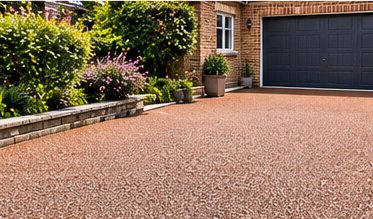
Block Paving or Resin Driveway: Which Is Right for You?
Block paving, resin bound and resin bonded compared on looks, drainage, upkeep and repairability.
Read the guide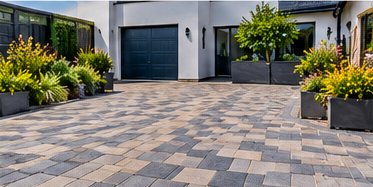
Sunken Block Paving: Causes, Repairs and Aftercare
Why block paving sinks, how repairs are done, and when to replace instead of patching.
Read the guide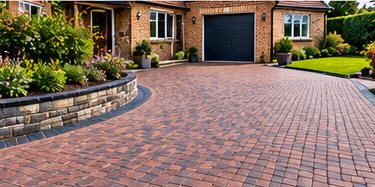
Block Paving Driveway Patterns and Colours: How to Choose
How to pick a block paving pattern, border and colour mix that suits your house, your drive size and the way you use it.
Read the guidePlanning driveways?
Send a few details and we will arrange a free site visit. Photos on WhatsApp help us understand the job before we visit.
Get a free quote
Tell us a little about the job and we will come back to you shortly.